
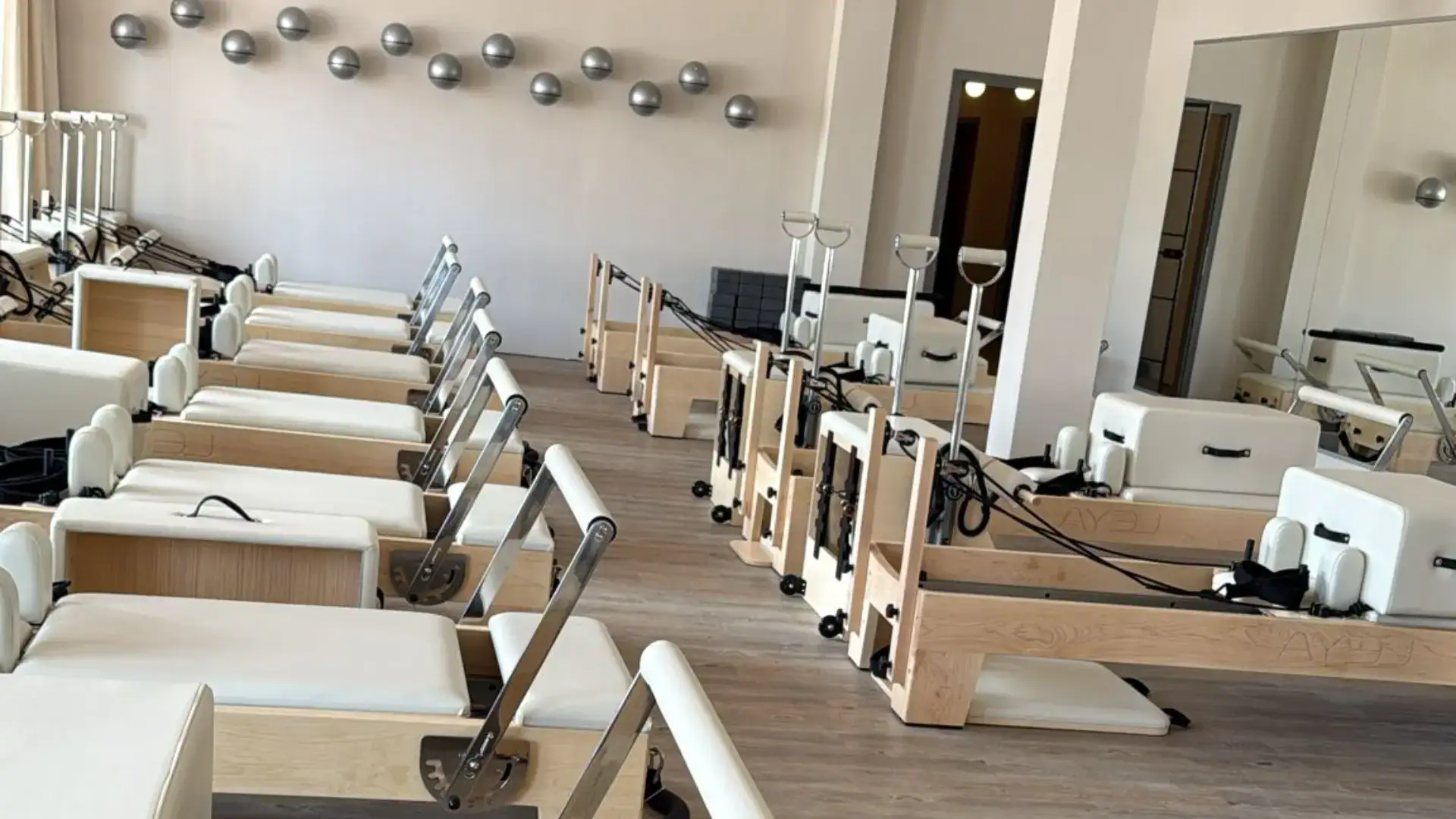
For preliminary planning, a standard maple commercial reformer in a multi-unit studio order can be budgeted at about $850–$1,000 per machine for equipment only. A verified July 2026 order recorded $8,850 for 10 reformers and $14,647.02 for the complete DDP order, including studio accessories and spare parts. This supports a working landed-budget range of approximately $14,000–$16,000 for a similar 10-machine project. It is a planning reference, not a universal price list: model, tower configuration, quantity, packing, destination, import terms, unloading and installation can change the final quotation.
Commercial Pilates Reformer Budget Range
Planning basis: one verified July 2026 studio order for 10 standard maple reformers. These figures are public budgeting references, not fixed list prices or a promise that another destination will have the same freight, tax or delivery scope.
| Planning scenario | Indicative budget | How to use it |
|---|---|---|
| Standard maple reformer, equipment only | $850–$1,000 per machine | Early multi-unit equipment allowance before freight and destination services. |
| 6-reformer starter room, equipment only | $5,100–$6,000 | Derived from the equipment-only planning range; request a separate landed-cost calculation. |
| 8-reformer studio, equipment only | $6,800–$8,000 | Useful for opening-capital planning before accessories, freight, duty and site delivery. |
| Similar 10-reformer DDP studio project | $14,000–$16,000 total | Working landed-budget band supported by the verified $14,647.02 complete order. |
| Verified reference order | $8,850 reformers; $14,647.02 complete order | 10 reformers plus studio accessories, spare parts and DDP sea delivery. |
Commercial Pilates Reformer Cost: The Budget Has Five Layers
| Cost layer | What it includes | Why it changes | Evidence to request |
|---|---|---|---|
| 1. Equipment | Frame, carriage, springs, ropes, footbar and standard accessories | Model, material, configuration and quantity | Model-specific technical sheet and itemized quotation |
| 2. Options | Tower, extra platforms, custom upholstery, logo, spare-part kit | Training program and brand requirements | Option list with quantities and lead-time effect |
| 3. Packing and freight | Wooden case, carton protection, sea or local delivery | Packing size, gross weight, route and shipment mode | Packing data and freight scope |
| 4. Import and delivery | Duty, tax, customs, unloading, room-of-choice or installation | Country, Incoterm, access and service level | DAP/DDP boundary and destination details |
| 5. Operating cost | Maintenance, consumables, spare parts and downtime planning | Class volume and local service availability | Warranty, spare-parts list and response process |
A quotation that only shows a machine price answers the first layer. A studio opening budget must also cover the other four. This is why two suppliers can quote similar reformers but produce very different final project costs.
Why We Do Not Publish a Single Reformer Price
The search term “commercial Pilates reformer cost” suggests that buyers want a number, but a single number can be misleading. A fixed maple reformer, an aluminum reformer and a reformer with a tower do not use the same configuration or packing plan. Even the same model can change when a buyer adds a logo, upholstery color, spare parts or destination services.
Before requesting a quote, shortlist the relevant commercial Pilates reformer configurations and define the room, class capacity and delivery location. The supplier can then quote one comparable specification instead of presenting an attractive but incomplete starting price.
Price confidentiality is common in B2B projects because distributor terms, quantities, custom work and freight conditions vary. With the customer’s permission, this guide publishes the equipment subtotal and complete order total from one redacted order as a budgeting reference while keeping the buyer identity, address, invoice number and banking details private.
How This Cost Guide Differs From Our Other Buying Resources
This page is the budgeting resource: it explains equipment allowances, landed cost, DDP scope and a verified order total. Use the Commercial Pilates Reformer Buying Guide for Studios and Gyms when the main decision is which frame, carriage, springs, tower and studio configuration to choose. Use the Pilates Reformer Wholesale Guide when the main decision involves MOQ, private label, repeat supply, customization and distributor shipping. The three guides address different stages of the same procurement process.
Three Model Examples: Configuration and Packing Change the Budget
| Model example | Configuration signal | Product size | Packing size / gross weight | Budget implication |
|---|---|---|---|---|
| AL4-401 | Aluminum reformer with jumpboard, sitting box and standard training accessories | 2530 × 720 × 400 mm | 2600 × 750 × 730 mm / 125 kg | Long packing length and gross weight affect freight, unloading and storage planning. |
| WD-MS-003 | Maple wood reformer with jumpboard, sitting box, platform and standard accessory set | 2400 × 600 × 300 mm | 1260 × 700 × 590 mm / 151 kg | Confirm the packing method and final crate count because packed dimensions differ from the assembled machine. |
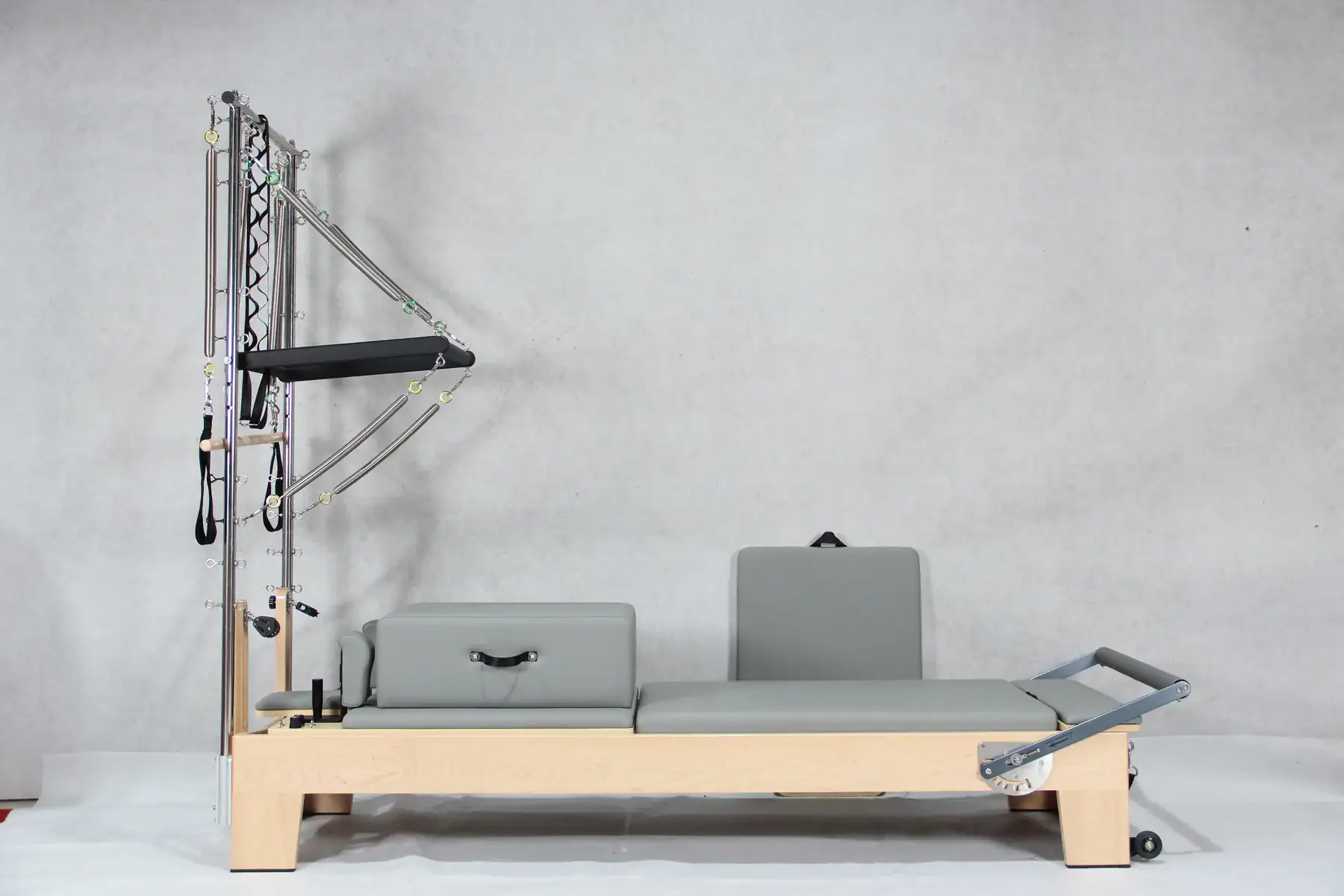
| WD-MS PLUS-600 | Maple reformer with semi-elevated tower, additional platforms, rails and tower springs | 2285 × 685 × 390 mm | 2320 × 790 × 555 mm / 187 kg | More components and higher gross weight can raise equipment, freight and installation requirements. |
These figures come from the supplied model technical sheets and should be reconfirmed on the final quotation. They illustrate the procurement method; they are not public prices.
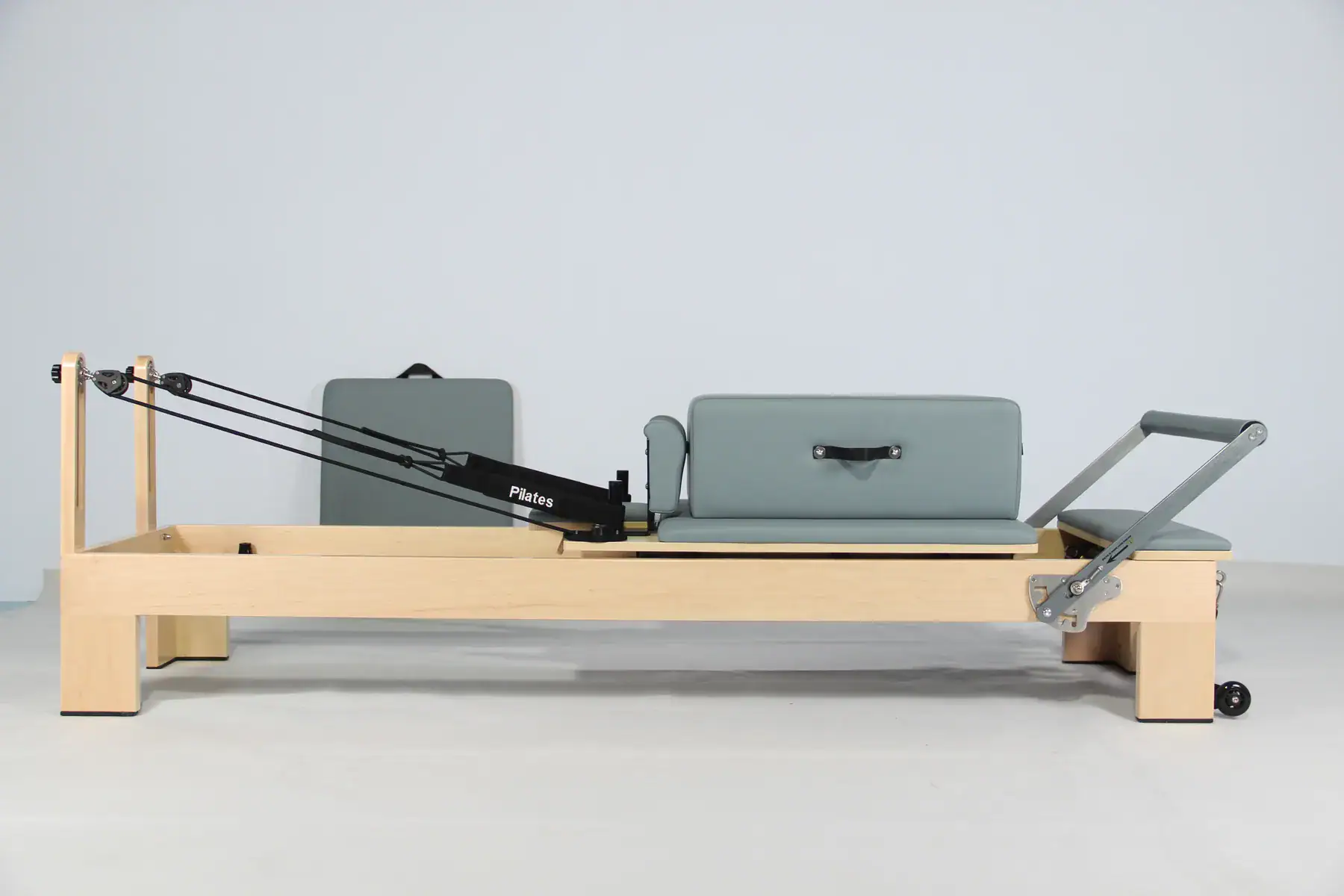
The WD-MS-003 example can be reviewed on the maple wood Pilates reformer page. Its cost comparison should include the supplied accessories, packing method and gross weight rather than treating the wood frame as the only difference.
Real Order Evidence: What a Landed-Cost Quote Contains
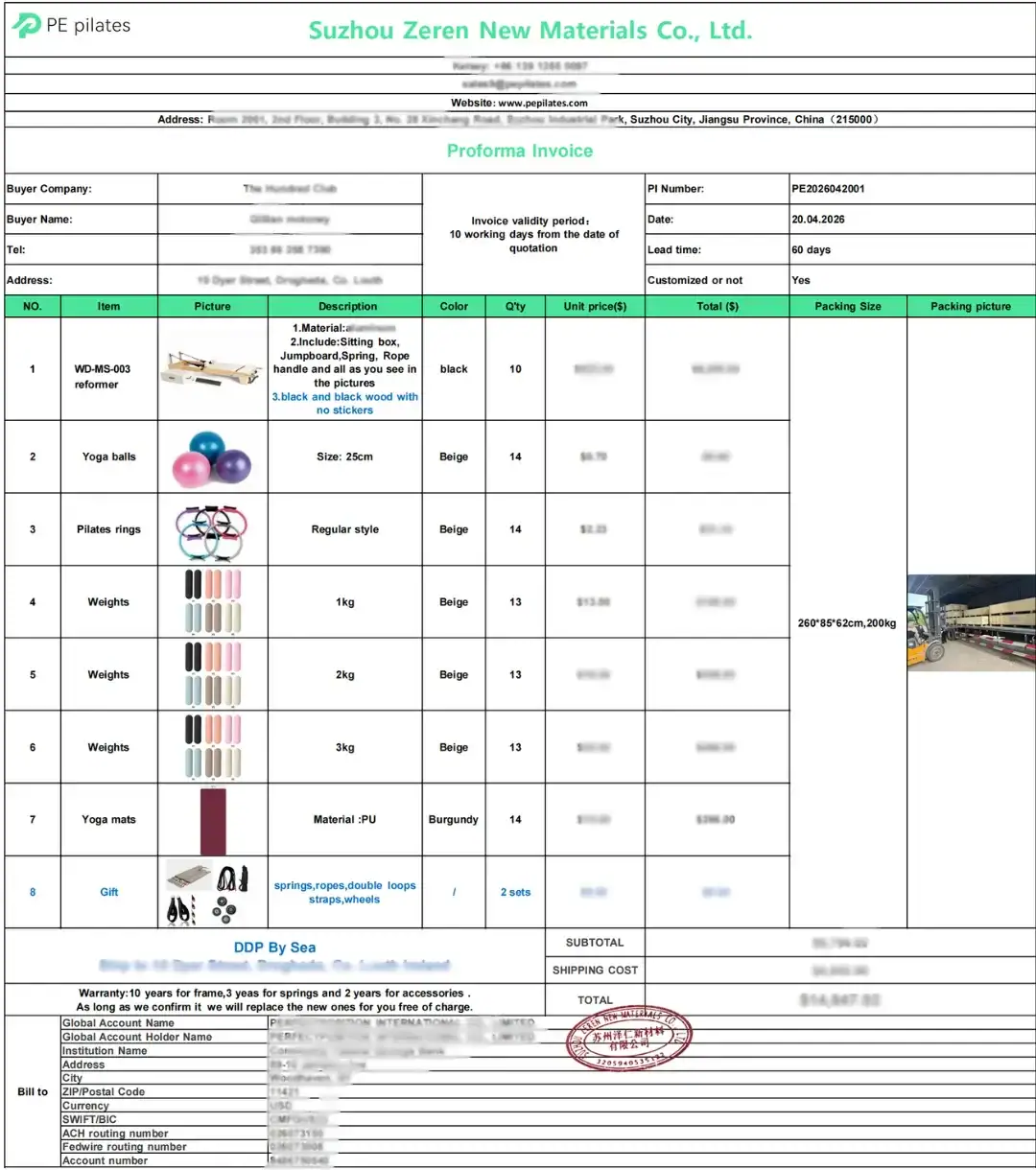
The supplied proforma invoice documents a real customized studio order. The customer name, contacts, delivery address, invoice number and banking details remain redacted. The equipment subtotal and complete order total are published with permission because they provide a useful, verifiable budgeting reference.
| Verified order fact | Public detail |
|---|---|
| Order type | Customized commercial studio order |
| Reformer quantity | 10 standard maple reformers |
| Reformer subtotal | $8,850.00, equal to an average of $885 per reformer in this order |
| Additional items | Studio accessories and gift spare parts |
| Complete order total | $14,647.02 |
| Delivery term | DDP by sea |
| Project lead time shown | 60 days |
| Redacted information | Customer identity, contacts, address, invoice number and banking details |
| Evidence verification | Checked against the supplied proforma invoice on July 29, 2026 |
The $5,797.02 difference between the reformer subtotal and complete order total covered the remaining quoted scope rather than additional reformer units. Buyers should still ask whether freight, duty, tax, customs clearance, final-mile delivery, unloading and installation are included, excluded or quoted separately because DDP and on-site service boundaries can vary.
How to Calculate Landed Cost
Landed project cost = equipment + options + packing + international or local freight + duty/tax + customs/handling + final-mile delivery + installation + initial spare parts.
| Quote item | Question to ask | Common comparison error |
|---|---|---|
| Equipment | Are the model, color, accessories and quantity identical? | Comparing a base reformer with a tower or accessory package |
| Packing | How many crates and what are the gross dimensions and weights? | Using assembled dimensions for freight planning |
| Freight | Is the quotation port-to-port, DAP, DDP or local warehouse delivery? | Treating different Incoterms as equivalent |
| Import | Who pays duty, tax and customs charges? | Assuming DAP includes tax or DDP excludes all destination costs |
| Site delivery | Is unloading, lift access, stair carry or room placement included? | Budgeting only curbside delivery |
| Installation | Does the machine arrive assembled and who completes setup and inspection? | Ignoring labor and opening-day coordination |
| After-sales | Which parts are covered and what evidence is needed for a claim? | Comparing warranty years without comparing scope |
For Studio Owners: Build the Budget Around Capacity
Start with the number of revenue-producing stations, not a per-machine target. A new studio often plans six to eight reformers, but the right quantity depends on room dimensions, circulation space, instructor visibility, expected class size and private-session demand.
- Confirm the usable room dimensions, access route and floor level.
- Choose one standard reformer configuration for consistent group classes.
- Budget one initial spare-parts kit and a preventive inspection routine.
- Allow for delivery timing, installation and staff training before the opening date.
- Keep a contingency for local electrical, flooring or room-access work that is outside the equipment quote.
Use the studio layout recommendation to align equipment quantity, configuration and delivery scope before requesting the final quotation.
For Distributors: Separate Product Cost From Channel Cost
A distributor evaluates a different cost stack. In addition to the factory quotation, include sample evaluation, branding, photography, local storage, last-mile delivery, warranty inventory, service labor and the cost of holding replacement parts.
- Request an itemized model and option list instead of one blended amount.
- Confirm logo method, upholstery color and packaging changes.
- Calculate freight by actual packing data and order mix.
- Define spare-parts quantities for the first shipment.
- Document warranty boundaries and the evidence required for replacement.
- Review the Pilates equipment wholesale program and OEM/ODM cases before finalizing channel requirements.
Factory, QC and Packaging Questions That Protect the Budget
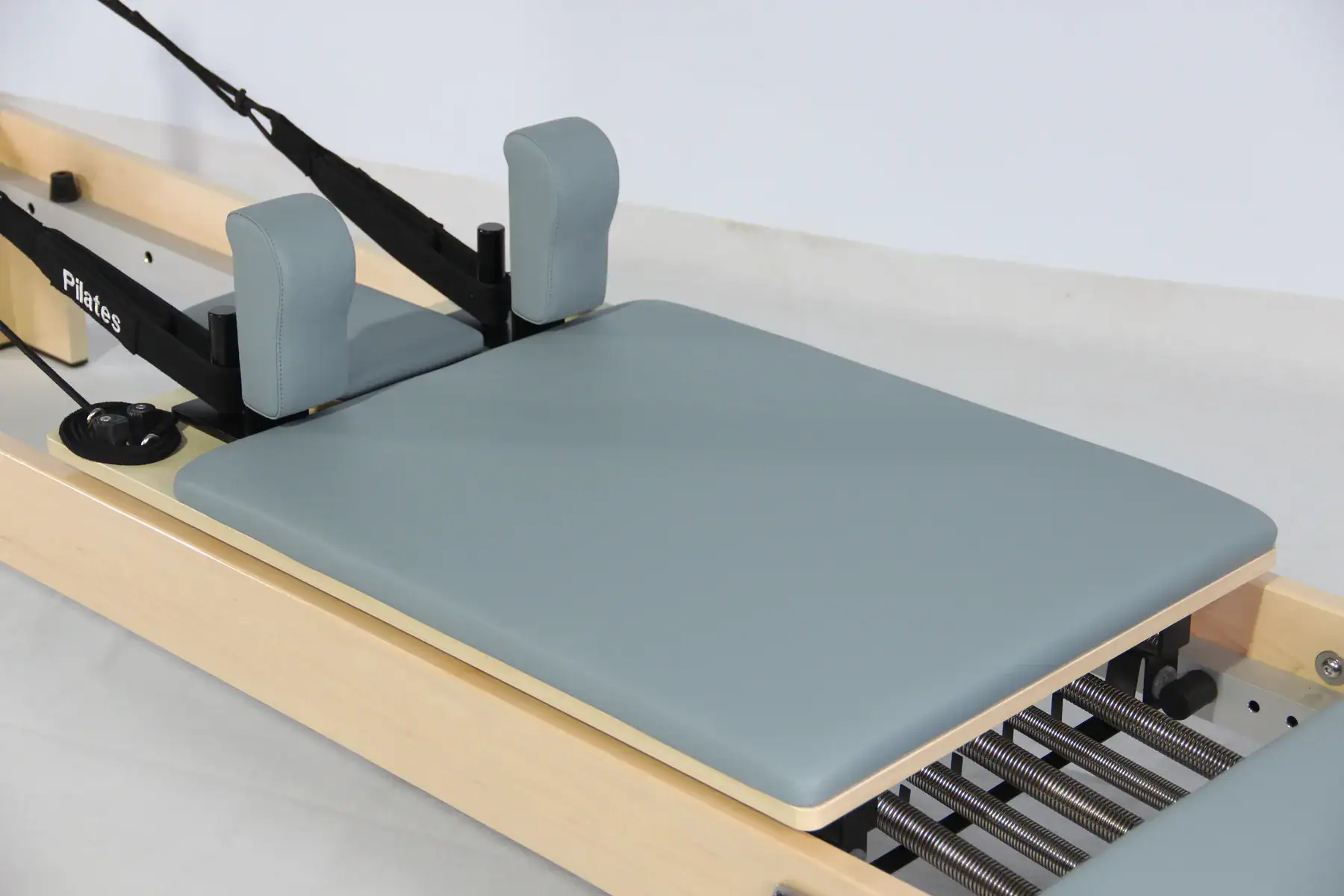
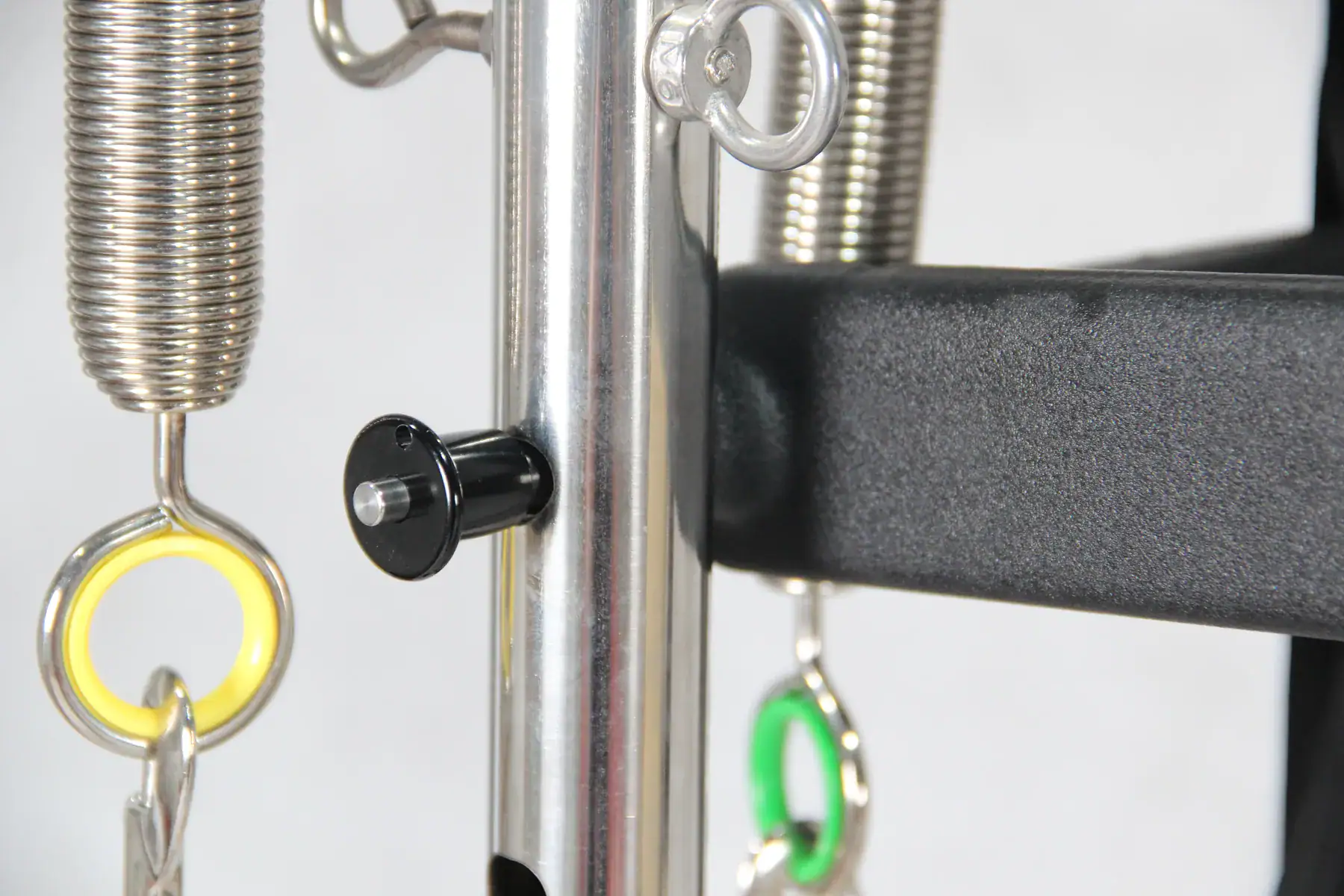
From a manufacturing point of view, a low quotation can become expensive when specifications are unclear or inspection evidence is missing. P.E.Pilates checks the frame, leather, carriage, springs, footbar, tower and wheels during outgoing quality control. Each model should still be confirmed against the approved technical sheet and final order.
| Area | Evidence to request before payment or shipment |
|---|---|
| Model identity | SKU, configuration list, dimensions and approved color |
| Materials | Model-specific frame, leather, spring and hardware description |
| QC | Inspection checklist plus photos or video of the ordered configuration |
| Packing | Crate count, packing dimensions, gross weight and protection method |
| Delivery | Incoterm, route, destination service and expected milestones |
| Warranty | Frame, spring and accessory scope plus claim procedure |
Commercial Reformer Budget Checklist
- Room dimensions and target class capacity
- Exact SKU and configuration
- Included and optional accessories
- Logo, upholstery and packaging customization
- Quantity and spare-parts kit
- Packing size, gross weight and crate count
- Shipping mode and Incoterm
- Duty, tax and customs responsibility
- Unloading, room placement and installation
- Production, shipment and opening-date buffer
- Warranty scope and after-sales response process
Request a Project-Specific Commercial Reformer Quote
Send the destination country and postal code, studio room dimensions, target machine quantity, preferred model or material, tower requirements, color or logo needs, and desired delivery date. P.E.Pilates can then prepare a model-specific quotation and clarify which landed-cost items are included.
Frequently Asked Questions
How much does a commercial Pilates reformer cost?
For preliminary multi-unit planning, allow about $850–$1,000 per standard maple reformer for equipment only. A verified July 2026 order included 10 reformers at $8,850 and a complete DDP order total of $14,647.02, supporting a $14,000–$16,000 working range for a similar 10-machine project. Request an itemized quotation for the actual model, destination and service scope.
Why does P.E.Pilates not publish a fixed reformer price?
B2B studio and distributor projects use different specifications, quantities, destinations and delivery terms. A fixed public number could exclude important costs or compare unlike configurations.
What is included in landed cost?
Landed cost normally combines the equipment, options, packing, freight, duty or tax where applicable, customs handling, final-mile delivery and any unloading or installation services included in the agreed scope.
Does DDP include every studio delivery service?
Not automatically. DDP addresses import responsibility, but unloading, stair carry, room placement, assembly and packaging removal must still be stated in the quotation.
Are wooden reformers more expensive than aluminum reformers?
Material alone is not enough to decide. Compare the exact model, construction, accessories, configuration, packing data, quantity and delivery scope.
How does a reformer with tower affect the budget?
A tower configuration adds components, springs and training functions and may increase gross packing weight, installation time and freight requirements. Compare it with the intended class program.
How many reformers should a new studio budget for?
Many new studios start with six to eight reformers, but room size, circulation, instructor visibility, expected class capacity and opening cash flow should determine the final number.
What information is needed for an accurate quote?
Provide the destination and postal code, model or material preference, quantity, tower or accessory requirements, customization needs, room-access conditions and desired delivery date.