To start a Pilates reformer brand, define one target customer and sales channel, choose the smallest product range that serves that customer, approve a real sample against a written specification, prepare brand and compliance files, and build delivery, spare-parts and after-sales workflows before taking orders. Do not begin with a logo and a large catalog. Begin with a controlled product, an approval record and a service promise your business can actually fulfill.
This guide explains how to launch a private-label Pilates reformer brand from market definition and sample approval through content, channel readiness, first production and replenishment. It is written for new brands, importers and ecommerce businesses evaluating an OEM manufacturing partner.
Private-label Pilates reformer launch at a glance
| Stage | Decision to make | Evidence or output | Do not advance when |
|---|---|---|---|
| Market definition | Who will buy, where they will buy and why this range is different | Target-customer profile, channel plan and price-position brief | The offer is still described as “for everyone” |
| Launch assortment | Which model roles the first range must cover | Shortlist with a purpose for every SKU and option | Models differ only in appearance and create avoidable inventory |
| Specification | What the factory must repeat | Model specification, accessories, colors, logo files, packaging and revision number | Important requirements exist only in chat messages |
| Sample approval | Whether the physical product is ready to become the reference | Functional test, appearance review, change list and signed approval | Open changes have no owner or acceptance method |
| Market readiness | What customers and channel partners need before ordering | Product data, images, manuals, policies, spare-parts map and support workflow | The product can be sold but not delivered or supported consistently |
| Production release | Whether one controlled version is ready for the first batch | Approved specification, order documents and QC plan | Sales, production and QC are using different versions |
| Launch and reorder | What demand and service signals justify replenishment | Sales, returns, service cases, stock and lead-time review | The next order is based only on optimism or a calendar date |
A launch calendar should be built backward from these approval gates. A factory production estimate is not the complete time to market: product decisions, sample revisions, artwork approval, documents, freight, customs, channel setup and final delivery also need time.
1. Define the market and channel before selecting the product
The first decision is not maple versus aluminum. It is which buyer problem the new brand intends to solve. A reformer for boutique studios, a compact model for home users and a configurable range for regional dealers create different expectations for dimensions, accessories, packaging, delivery, content and service.
Write a one-page commercial brief covering:
- Primary buyer: studio owner, instructor, home user, physiotherapy buyer, dealer or another defined group.
- Launch geography and language requirements.
- Main sales channel: direct ecommerce, project sales, marketplace, showroom or dealer network.
- Expected use: commercial classes, private training, home practice or mixed use.
- Price position and the evidence needed to support it.
- Delivery model, including stock, preorder, installation and returns responsibility.
- Who owns customer support and spare-parts fulfillment after the sale.
A marketplace listing may require compact product data and standardized fulfillment. A studio project may require access planning, installation coordination and multiple units in one approved configuration. A dealer channel needs repeatable pricing, product identifiers, media assets and a clear territory policy. The equipment can be similar, but the operating system behind it is not.
2. Select launch SKUs by role, not by catalog size
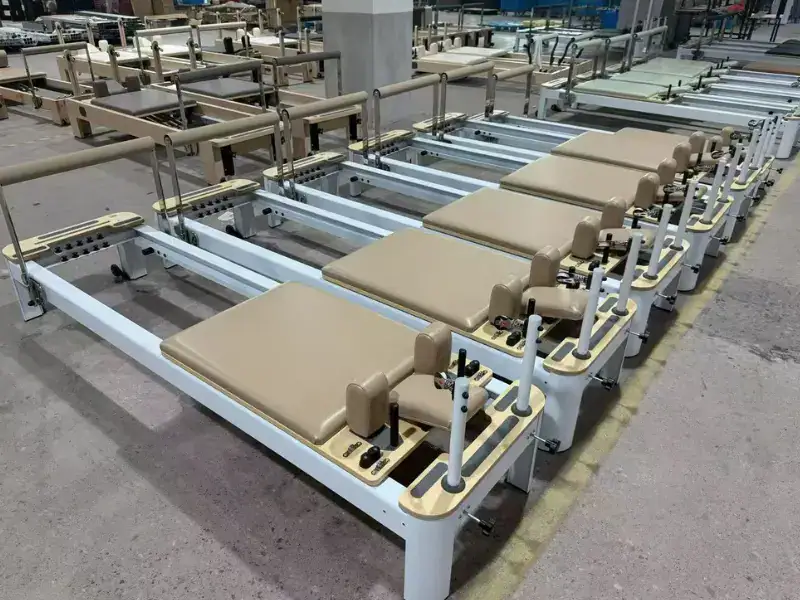
There is no universal correct number of reformer models for a new brand. The right starting range depends on the target buyer, available capital, local demand, warehouse capacity and whether products are stocked or sold by preorder. A smaller controlled assortment is usually easier to photograph, document, train, service and replenish than a broad catalog with overlapping models.
| Possible SKU role | Question it should answer | Selection evidence |
|---|---|---|
| Primary or hero model | Which product best represents the core buyer and brand promise? | Buyer use case, sample test and landed-cost target |
| Alternative construction | Does the market need a meaningful wood, aluminum, folding or tower option? | Space, usage, installation and channel requirements |
| Higher-capability model | Will buyers pay for a tower, Cadillac configuration or additional commercial capability? | Instructor program, studio format and support complexity |
| Accessories and service parts | What must be available to deliver and support the equipment? | Approved accessory list, wear-part map and after-sales plan |
Do not multiply SKUs by offering every upholstery color as stocked inventory. Separate standard colors from made-to-order colors, and define how a color choice affects material availability, minimum quantity and timing. The P.E.Pilates reformer range can be reviewed by construction and application, but the launch assortment should remain tied to a specific market plan.
3. Turn the product choice into a controlled specification
A product page is not a production specification. Before ordering a sample, document the exact frame, rails, carriage, upholstery, springs, ropes, pulleys, footbar, shoulder rests, box, jumpboard, handles, straps, hardware, labels, manuals, packaging and other supplied components. Mark every custom item separately from the standard configuration.
Give the document a date or revision number and define who can approve a change. This prevents an old logo proof, color reference or accessory list from reappearing during production. It also gives the factory QC team a practical comparison standard.
What to approve for branding
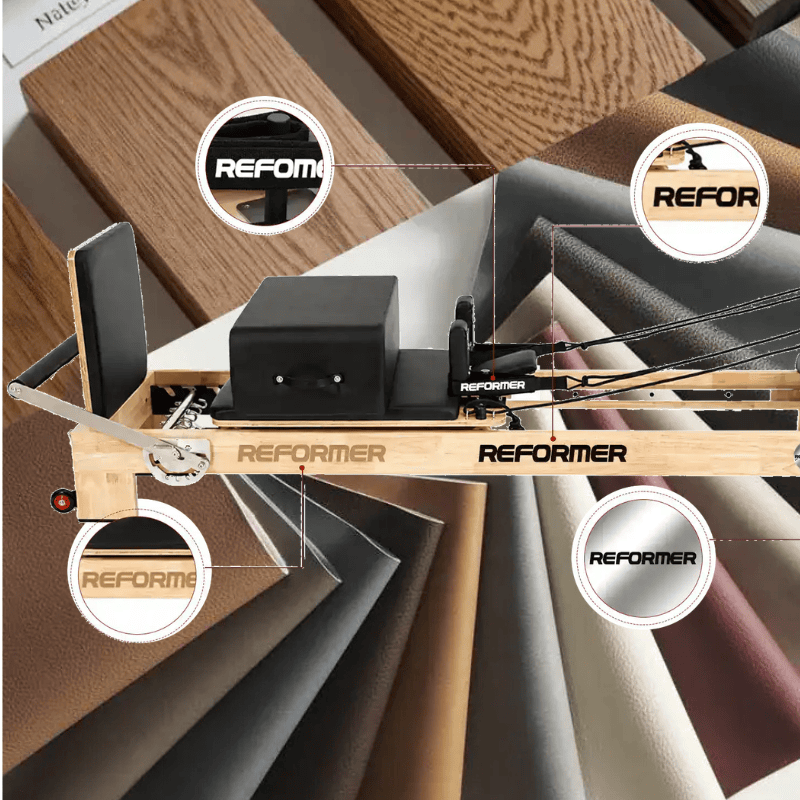
- Production-ready vector artwork and final brand spelling.
- Exact dimensions, position, orientation and color.
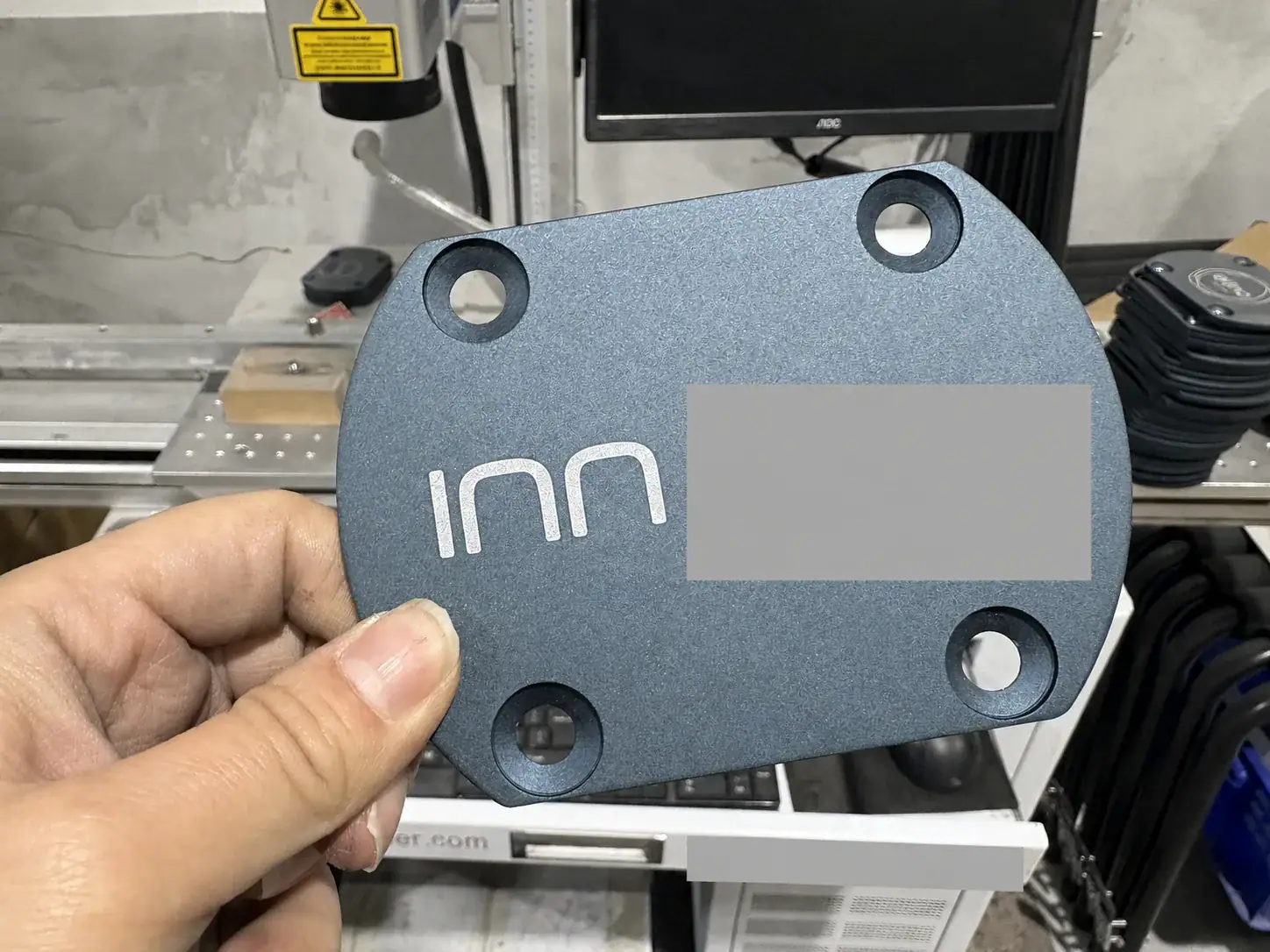
- Application method, such as engraving, printing, embroidery or a fitted plate.
- Legibility on the actual material and at the final size.
- Which marks appear on the equipment, carton, manual and spare-parts packaging.
- Which images the supplier may publish and which brand details must remain private.
The P.E.Pilates OEM/ODM guide explains the existing artwork, color, numbering and approval workflow. Minimum quantities and timing should still be confirmed for the selected model and materials rather than copied from another project.
4. Approve a sample or first article before bulk production
The sample is where a brand promise becomes a physical product. Review it as both a customer and an operator. Check appearance, dimensions, carriage travel, noise under the defined test condition, spring configuration, rope path, footbar adjustment, upholstery, accessories, labels, assembly, cleaning access and packaging.
Record findings in a change list with four fields: issue, required change, owner and approval evidence. Photograph important reference points under consistent lighting. When a change is accepted, update the main specification instead of relying on the message that approved it.
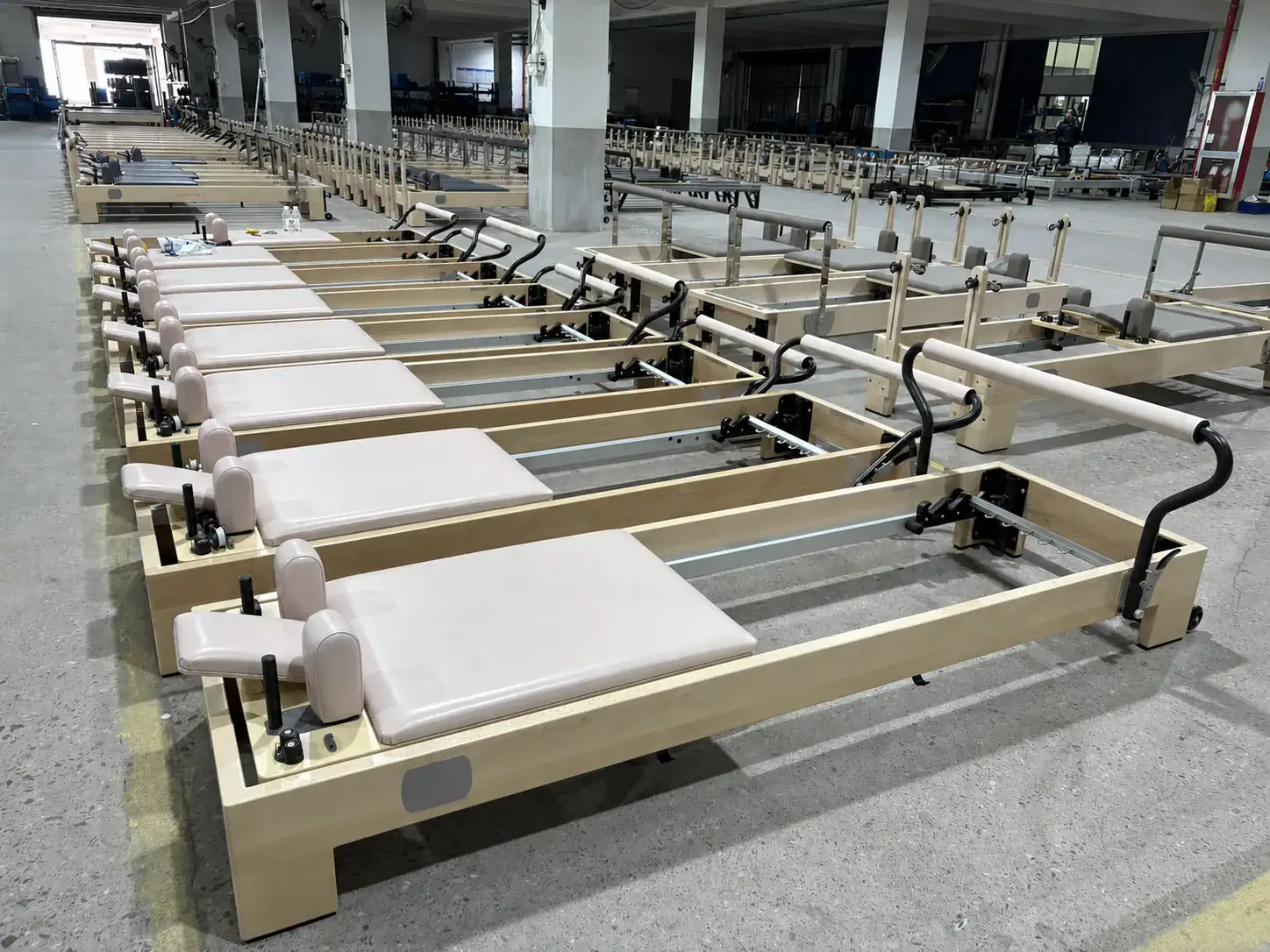
For a German multi-location studio project described in the OEM/ODM guide, the buyer used a WD-MASTER-004 maple configuration with light-pink upholstery, branding on the frame, handles and foot straps, and an individual number for each unit. The numbering helped connect each reformer to its location, maintenance history and future parts requests. Customer identity and order quantity remain confidential.
A sample does not prove that every later unit will match. Its second purpose is to become the controlled reference for purchasing, production and final inspection.
5. Build brand assets around the approved product
Do not complete the website and sales materials before the product configuration is stable. Otherwise, photographs, specifications and accessory lists can describe a different product from the one customers receive.
| Asset | Minimum content | Control point |
|---|---|---|
| Product data sheet | Model code, dimensions, weight, materials, features, accessories and configuration limits | Match the approved sample and quotation |
| Product photography | Full views, details, adjustments, accessories, branding and packing | Show the sellable configuration; label optional items |
| Instruction material | Assembly, adjustment, intended use, safety and routine care | Review against the exact model and target language |
| Sales copy | Buyer problem, verified benefits, configuration and delivery scope | Remove unsupported performance or compliance claims |
| Commercial policy | Payment, delivery, returns, warranty and support route | Align the promise with supplier and logistics terms |
| Channel data | SKU, barcode where required, carton data, images and product attributes | Validate against each channel’s current requirements |
A factory can supply product photographs or technical inputs, but the brand owner remains responsible for the final claims, translations, channel listings and customer policies. Never state that a product is approved by a marketplace or compliant in every country unless that exact claim has been verified.
6. Prepare compliance files by model and market
Compliance work starts with the destination and product configuration. Ask which documents apply to the exact model, which organization issued them, what was tested or assessed, when the document expires and whether the final branded configuration remains within its scope.
Keep product compliance separate from business registrations, import documents, packaging requirements and marketplace documentation. One certificate title or factory-level management document does not automatically cover every reformer, accessory, country or sales channel.
Practical rule: publish only the claims that can be matched to a current document and the sellable model. Keep restricted reports in a controlled buyer-review process rather than placing sensitive or out-of-scope documents on a public product page.
When requirements are uncertain, confirm them with the responsible authority, importer, testing body or qualified local adviser before ordering the first commercial batch.
7. Plan sales channels, fulfillment and returns before launch
Direct ecommerce, marketplaces, studio-project sales and dealer networks can all support a Pilates equipment brand, but they should not automatically receive the same SKU, package or service promise.
- Direct ecommerce: clarify delivery access, assembly, returns and customer support before checkout.
- Marketplace: validate current category rules, product data, packaging, barcode and fulfillment limits directly with the platform.
- Studio projects: quote quantities, access, installation, accessories and delivery sequence against the site.
- Dealer network: define product identity, pricing governance, media use, territory, training and after-sales ownership in writing.
The same reformer may need a different carton label, delivery method or accessory configuration by channel. Build a SKU map that connects the customer-facing listing to the factory model, approved specification, carton and replacement parts.
For international buying decisions, use the Pilates reformer wholesale guide to separate product cost, customization, packaging, freight and destination services. Final responsibility depends on the written quotation and named delivery term.
8. Build after-sales support before the first sale
A private-label brand owns the customer relationship even when a factory supplies technical support behind it. Before launch, decide where customers report issues, what evidence is required, who performs diagnosis, who approves a remedy and where replacement parts will ship from.
At minimum, keep:
- Order number, customer and delivery date.
- Exact model, configuration and unit identifier where available.
- Photos or video of the reported issue.
- Problem description and operating conditions.
- Parts sent, instructions provided and case outcome.
Build a model-matched spare-parts list before the first commercial order. Springs, ropes, straps, pulleys, carriage wheels and small adjustment parts cannot be selected reliably from a generic “Pilates reformer” description. The distributor spare-parts and after-sales checklist shows how P.E.Pilates structures evidence and reserve planning for the WD-MS-003; apply the same model-specific principle to the product chosen for your brand.
9. Release production with one approved version
When the sample, artwork, commercial terms and documentation are approved, issue one production release. The purchase order, specification, bill of materials, packaging details and QC plan should point to the same version.
During production, require written approval for changes to material, finish, component, packaging or specification. A substitute may be technically acceptable but still change brand appearance, maintenance requirements or compatibility with existing spare parts.
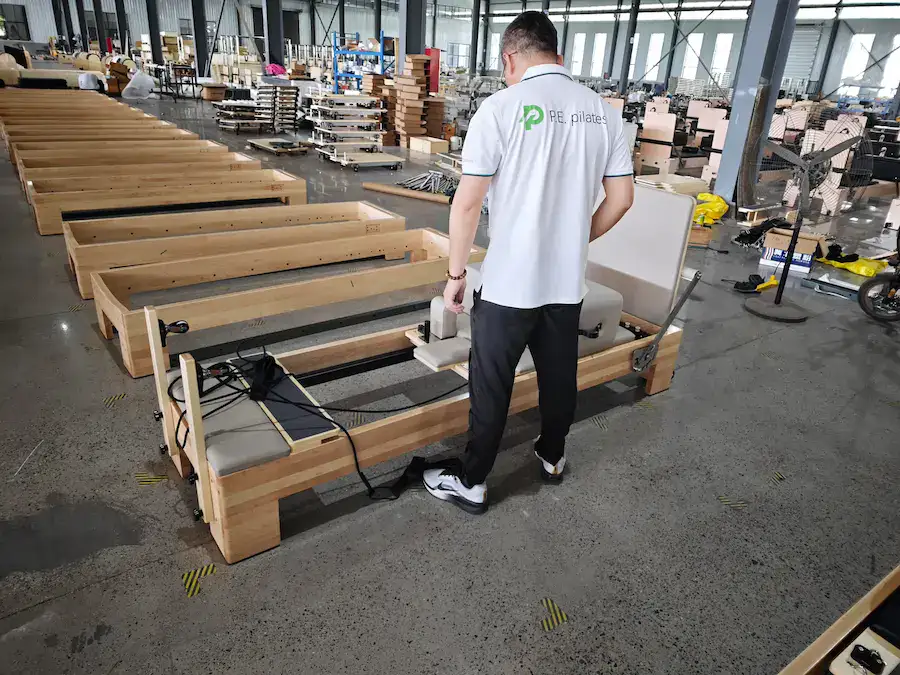
The bulk-order quality inspection checklist covers frame, carriage, springs, ropes, pulleys, footbar, upholstery, accessories and packing. P.E.Pilates records 100% outgoing quality control for applicable final checkpoints; the exact inspection scope depends on the model, configuration and order.
10. Launch, measure and reorder from evidence
The first batch is the beginning of product management, not the end. Track sell-through by SKU and color, delivery exceptions, returns, installation questions, customer objections, spare-parts demand and support cases. Separate product defects from transport damage, setup errors and normal wear so the next decision uses the right signal.

Reorder timing should reflect demand during the replenishment lead time, safety stock, available cash, channel seasonality and actual service consumption. Do not use the first order quantity as the automatic second order. Keep a stable core specification, then approve any change as a new revision.
Who this launch model fits—and when to wait
This approach fits businesses that can:
- Define a specific buyer and channel rather than copy a general catalog.
- Fund a sample, documentation, content, freight and support—not only inventory.
- Assign responsibility for product approval and customer service.
- Maintain one controlled specification and keep revision records.
- Confirm local compliance and channel requirements before making claims.
Delay the launch when:
- The business depends on an unverified certification, marketplace approval or exclusive right.
- No one owns returns, technical support or replacement parts.
- The first order requires many colors and models without demand evidence.
- The sample is being skipped to meet a marketing date.
- The quoted production time is being treated as the complete launch timeline.
Private-label Pilates reformer launch checklist
- Target customer and primary channel are defined.
- Every launch SKU has a distinct role.
- Standard and made-to-order colors are separated.
- The approved specification has a revision number.
- Logo artwork, size, position and method are approved.
- The physical sample or first article has been tested.
- Open sample changes have owners and evidence.
- Product data and images match the approved configuration.
- Manuals and safety information match the exact model.
- Compliance claims are verified by model and destination.
- Packaging and delivery responsibilities are written.
- Warranty, returns and support routes are published clearly.
- Model-matched spare parts have been identified.
- Production and QC use the same approved version.
- Reorder decisions will use sales and service evidence.
Frequently asked questions
How do I start a Pilates equipment brand?
Define a target buyer and channel, shortlist products by role, approve a sample against a written specification, prepare brand and market documents, then establish delivery, warranty and after-sales workflows before accepting orders.
Do I need a reformer sample before bulk production?
A physical sample or controlled first article is strongly recommended for a new model, custom configuration or new supplier. It lets the buyer check function, finish, branding, accessories and packaging and creates the reference for bulk QC.
How many reformer models should a new brand launch?
There is no universal number. Use the smallest assortment that covers distinct buyer needs without creating overlapping inventory. Base the decision on market demand, channel, cash, storage, service capacity and whether products will be stocked or sold by preorder.
What should an OEM Pilates equipment factory provide?
For the selected project, ask for a clear specification, customization approval process, sample or first-article route, production and QC records, packing data, model-applicable documents, spare-parts identification and an after-sales contact path.
Can the same reformer be sold through every channel?
Sometimes, but do not assume it. Ecommerce, marketplaces, studio projects and dealer channels can require different product data, packaging, fulfillment, pricing and service ownership. Map each listing to one controlled factory configuration.
What logo files are normally needed?
Production-ready AI, EPS, PDF or SVG vector files are preferred. Also specify final dimensions, position, orientation, color and application method, then approve the proof and the physical result.
When should bulk production begin?
Release bulk production after the product specification, sample changes, branding, accessories, packaging, commercial terms and QC plan have been approved in one controlled version. The quotation should define when production lead time starts.
What after-sales preparation is needed before launch?
Set a support channel, evidence requirements, escalation route, warranty scope and model-matched spare-parts list. Record the order, configuration and unit identity so the correct part or remedy can be confirmed.
Plan your private-label reformer project
Send your target market, sales channel, preferred product type, estimated quantity, branding requirements, destination and intended launch window. P.E.Pilates can then review the relevant product range, separate standard and custom requirements, and confirm the sample, quotation and approval path for the project.
Discuss your target market, channel and first product range with P.E.Pilates.
References, authorship and scope
This guide draws on the published P.E.Pilates OEM/ODM approval workflow, outgoing QC process, supplier-verification checklist and model-specific after-sales planning. Product availability, MOQ, fees, documentation, compliance scope and timing must be reconfirmed for the exact model, market and written quotation.