
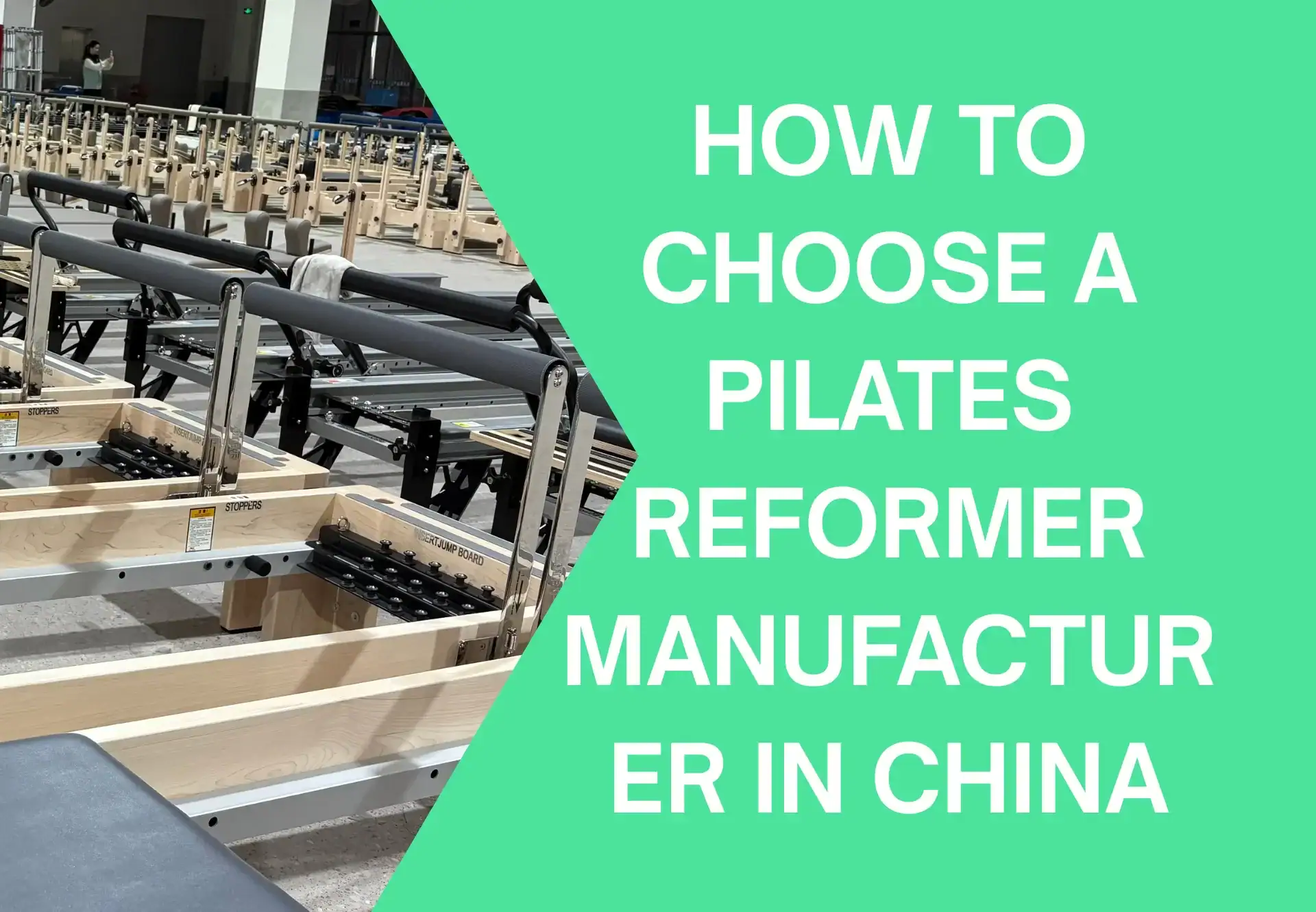
Direct answer: To choose a Pilates reformer manufacturer in China, verify the legal entity, production role, material specifications, sample controls, three-stage inspection, serial-number traceability, certification scope, realistic lead time, packaging, warranty and commercial terms before paying a deposit. Do not rely on a catalog, factory video or CE logo alone. Ask for documents that connect the quoted model to the company, specification sheet, approved sample, inspection record and final shipment. The 15 checks below turn supplier claims into evidence that a studio owner or distributor can compare.
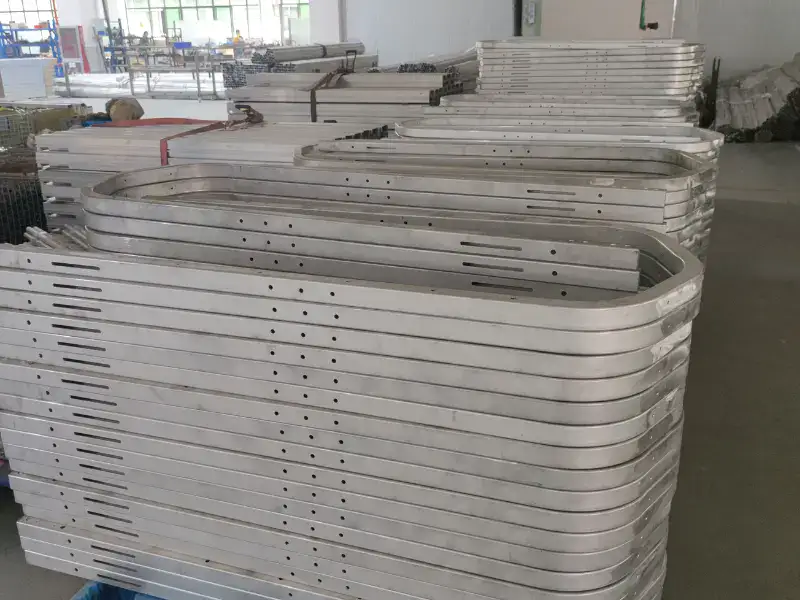
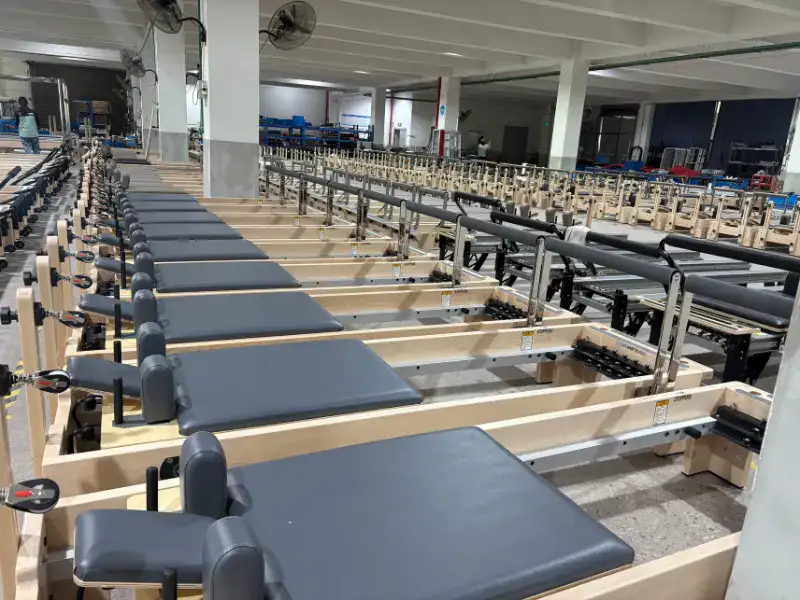
Evidence reviewed for this guide: P.E. Pilates enterprise information base and inspection checklist, verified 12 August 2026. Factory images show manufacturing-partner production areas; they do not by themselves prove ownership of every facility shown.
15 checks before ordering from a reformer manufacturer
| # | Check | Evidence to request | Red flag |
|---|---|---|---|
| 1 | Legal entity | Business licence and the exact payee/exporter name | Names differ without explanation |
| 2 | Production role | Written disclosure of owned and partner-factory processes | “Factory direct” but no process ownership |
| 3 | Relevant experience | Reformer models, export cases and dated records | Generic fitness-equipment history |
| 4 | Model specification | Signed specification sheet and configuration list | Quotation has no model revision |
| 5 | Material control | Wood species, alloy/finish, upholstery and spring requirements | Material names change between quote and sample |
| 6 | Approved sample | Golden-sample photos, measurements and sign-off | Bulk production starts before approval |
| 7 | Incoming inspection (IQC) | Checks for frames, wood, foam, upholstery, springs and wheels | No receiving criteria or lot record |
| 8 | Process inspection (IPQC) | Weld, upholstery, carriage, footbar and first-piece records | Only a final visual check |
| 9 | Final inspection (FQC) | Appearance, function, stability, accessories and label checks | No model-specific checklist |
| 10 | Functional test | Carriage cycles, noise, wheel movement, footbar and spring test | Only still photos of finished units |
| 11 | Traceability | Serial/batch code tied to production date and model | No way to identify a problem batch |
| 12 | Certificates | Holder, model scope, standard, report number and validity | A cropped certificate or unrelated applicant |
| 13 | Capacity and lead time | Production plan after specifications and payment are confirmed | Shipping time presented as production time |
| 14 | Packaging and logistics | Packing dimensions, weights, crate method and damage procedure | One packing figure used for every configuration |
| 15 | Warranty and order terms | PI, warranty scope, exclusions, evidence and remedy process | “Lifetime warranty” with no written terms |
How to verify the factory, not just the sales presentation
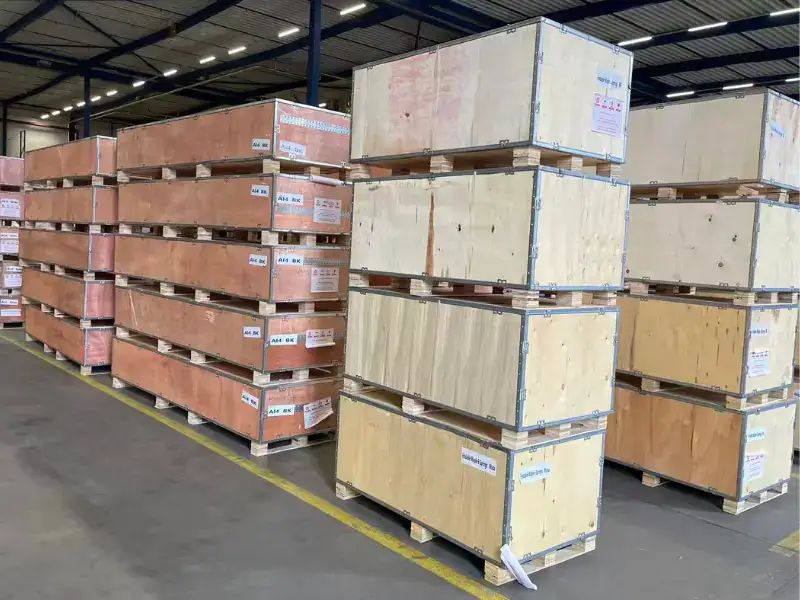
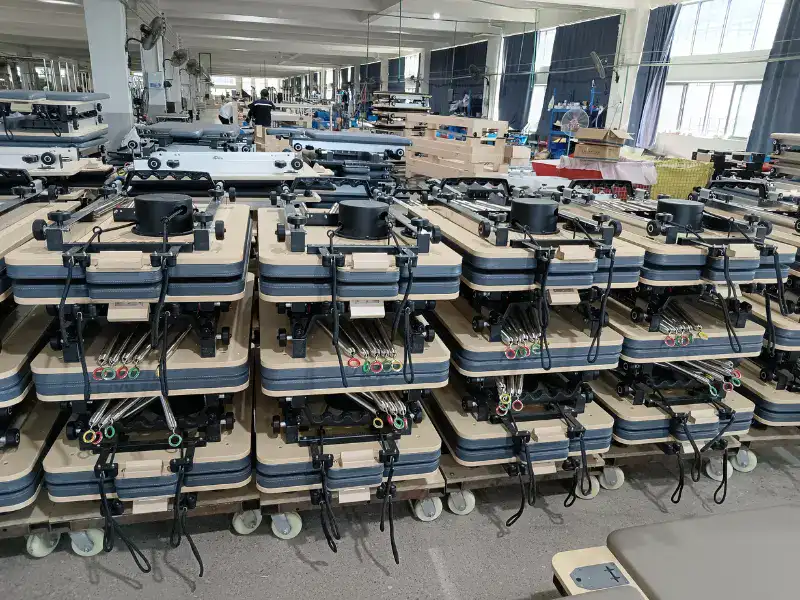
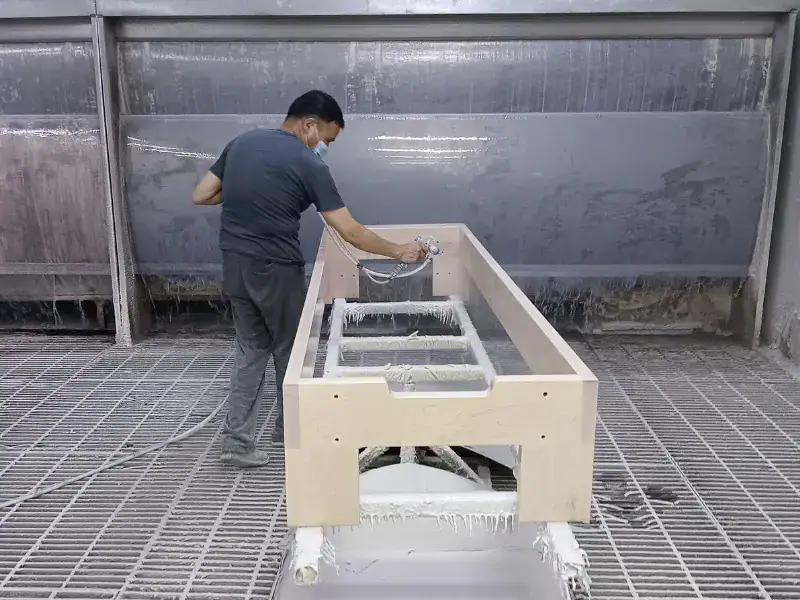
A useful factory audit follows the product route: raw material receipt, machining, surface treatment, upholstery, subassembly, finished assembly, testing and packing. Ask the supplier to explain which company performs each stage. A manufacturer may use qualified production partners; transparency and control records matter more than an unsupported claim that every process is in one building.
P.E. Pilates is operated by Suzhou Zeren New Materials Co., Ltd. Its current enterprise information base records a 120,000-square-meter production facility, more than 100 employees, over 12 years of industry experience, capacity of up to 200 units per day and customers in more than 60 countries. “Up to” is a capacity ceiling, not a promise that every order will receive accelerated production.
Certificate verification
Ask for the complete certificate or test report. Match the applicant or manufacturer name to the contracting entity, confirm that the quoted reformer model is within scope, identify the tested standard, and check the issue and expiry dates. A patent proves a registered design; it does not replace a product-safety test. A material test applies only to the named material and sample. If any link is unclear, request written clarification before treating the document as order evidence.
What a three-stage QC system should cover
| Stage | Examples from the reviewed checklist | Record to request |
|---|---|---|
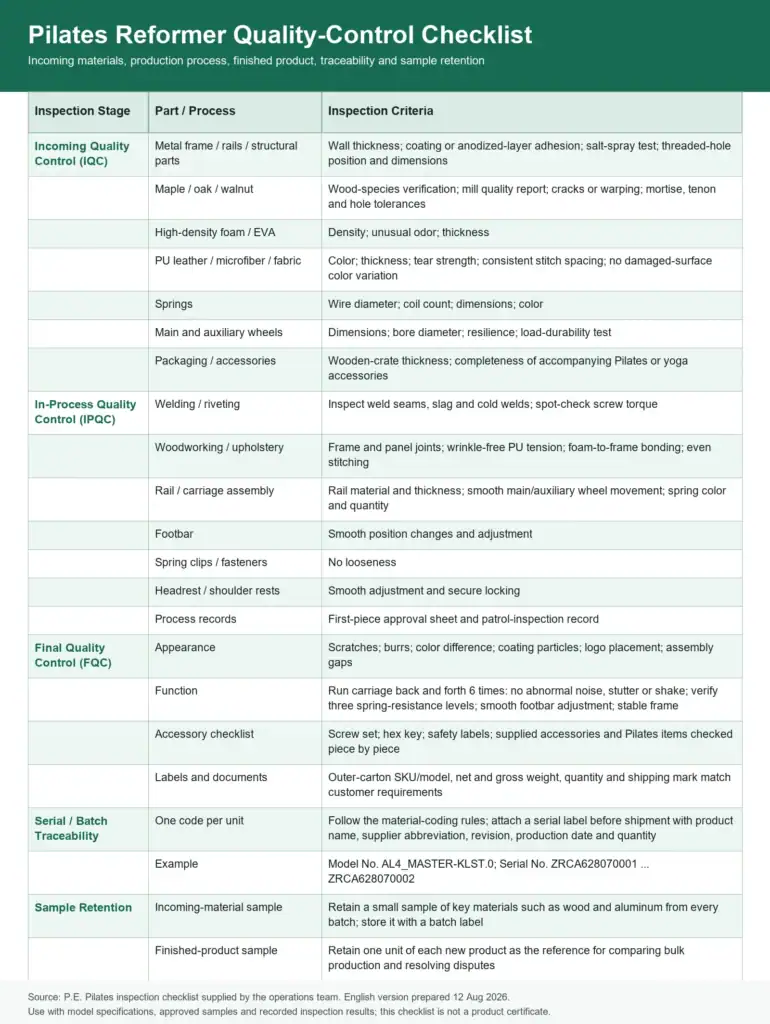
| IQC | Frame wall thickness and coating adhesion; wood species, cracks and tolerances; foam density; upholstery color and tear strength; spring dimensions; wheel load durability | Incoming lot and acceptance record |
| IPQC | Weld quality and screw torque; upholstery tension and stitching; carriage movement; spring count; footbar, clips, headrest and shoulder-rest adjustment | First-piece approval and patrol-inspection record |
| FQC | Surface defects and assembly gaps; six carriage round trips without abnormal noise, stutter or shake; resistance levels; stability; accessories and carton labels | Model/serial-number final inspection |
The reviewed system also calls for batch labels on key raw-material samples and retention of one unit for new products. These practices make a later complaint easier to investigate because the shipped serial number can be compared with production and reference records.
A real FQC catch: when the approved sample and the production BOM disagreed
A UK customer approved an aluminum reformer sample before placing a commercial studio order. The bulk units were required to match the retained sample in upholstery color, spring resistance, logo position and packing information. During final quality control, the exterior details were correct, but the spring set on the production units followed the model’s standard resistance combination rather than the custom combination approved for this order.
The customer requirement was already present in the sales confirmation. The failure occurred because the production traveler still referenced the standard BOM, so material picking followed the normal model configuration. Packaging and shipment were stopped, completed units were isolated, the correct springs were installed, and every unit was rechecked against the retained sample. Configuration photographs and inspection records were kept, and the corrective-action summary and sampling evidence were sent to the customer before shipment was released.
What changed after this order
- Custom orders require an order-specific BOM rather than an annotated standard BOM.
- The order confirmation, sample approval and production traveler must show the same configuration.
- IPQC and FQC now verify spring color, quantity and resistance level as separate fields.
- A configuration photograph is taken before packing and checked against the retained sample.
Manufacturing observation: final inspection prevented the wrong configuration from reaching the customer, but inspection was only the last safety net. The more durable correction was closing the information gap between sales approval, BOM control and the shop-floor traveler.
For studio owners
Prioritize consistent carriage feel, noise, footbar adjustment, stability, replacement parts and delivery access. Order one approved sample when practical and test it with instructors of different heights. Confirm usable room dimensions before finalizing quantity; our Pilates studio equipment guide explains how equipment mix and layout affect the purchase.
For distributors and private-label buyers
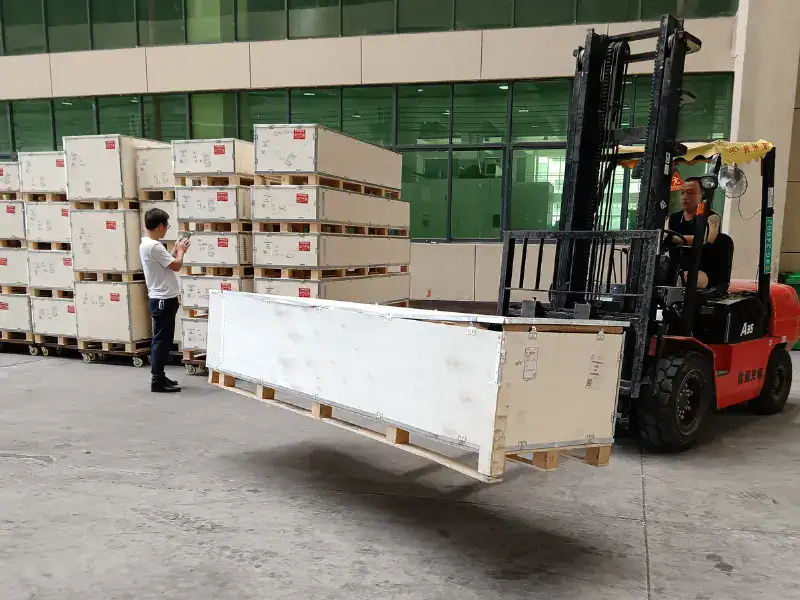
Add revision control, brand-asset approval, carton marks, spare-parts ratios, batch consistency and territory-specific documentation to the audit. Custom options may include logo, upholstery color, wood or metal finish, spring resistance, carriage-track material, packaging, manuals, configuration and dimensions; structural or performance changes require engineering review, sampling and final confirmation. Compare the commercial process in our wholesale reformer guide and review documented OEM/ODM cases.
Lead time, MOQ and warranty: use conditional wording
For P.E. Pilates, MOQ can start from one unit depending on model, customization and destination. Standard orders are typically ready for shipment in 12–15 days after order details are confirmed; customized orders are typically ready in 25–30 days after customization approval. These are production or preparation periods, not international transit times. Selected in-stock products from applicable overseas warehouses may be delivered locally in 3–7 days, subject to model, configuration, destination and inventory confirmation.
Standard coverage begins when goods are received: 10 years for the frame, 2 years for springs and 1 year for wheels, ropes, upholstery and other specified wear parts. Exclusions, evidence, remedies and responsibility for shipping or labor remain governed by the applicable written warranty.
Before payment: attach the final model specification, color/branding approval, packing requirements, lead-time trigger, Incoterm, warranty and inspection arrangement to the PI or contract.
Questions to send a shortlisted manufacturer
- Which legal entity will receive payment and issue export documents?
- Which processes are performed by your company and which by manufacturing partners?
- Can you provide the current specification and revision for the quoted model?
- What incoming, in-process and final inspections are recorded?
- How is each unit linked to a batch or serial number?
- Which certificates apply to this exact model and market?
- When does the production lead-time clock start?
- What evidence and remedy process applies to warranty or transit damage?
FAQs
Is a factory video enough to verify a manufacturer?
No. Use it to understand processes, then connect the footage to the legal entity, model records, inspection documents and commercial contract.
Does a CE logo prove every reformer is compliant?
No. Review the complete document and confirm the applicant, product/model scope, standard and validity for the destination market.
Should I order a sample first?
A sample is useful for a new supplier, specification or brand program. Define acceptance criteria so the sample becomes a reference for bulk production.
What is the most important functional test?
No single test is sufficient. Check carriage travel and noise, stability, footbar adjustment, spring configuration, upholstery and all safety-related fasteners.
Can MOQ start from one reformer?
At P.E. Pilates it can start from one unit, subject to the model, customization, destination and current commercial confirmation.
How long does production take?
Standard orders are typically ready in 12–15 days; customized orders in 25–30 days after approval. Shipping time is separate.
How do I reduce batch-quality risk?
Freeze the specification, approve a sample, use IQC/IPQC/FQC records, require serial traceability and define pre-shipment inspection in writing.
Build an evidence-based supplier shortlist
Send us your target model, quantity, destination and customization requirements. We can return the relevant specification, production assumptions and evidence package for review.