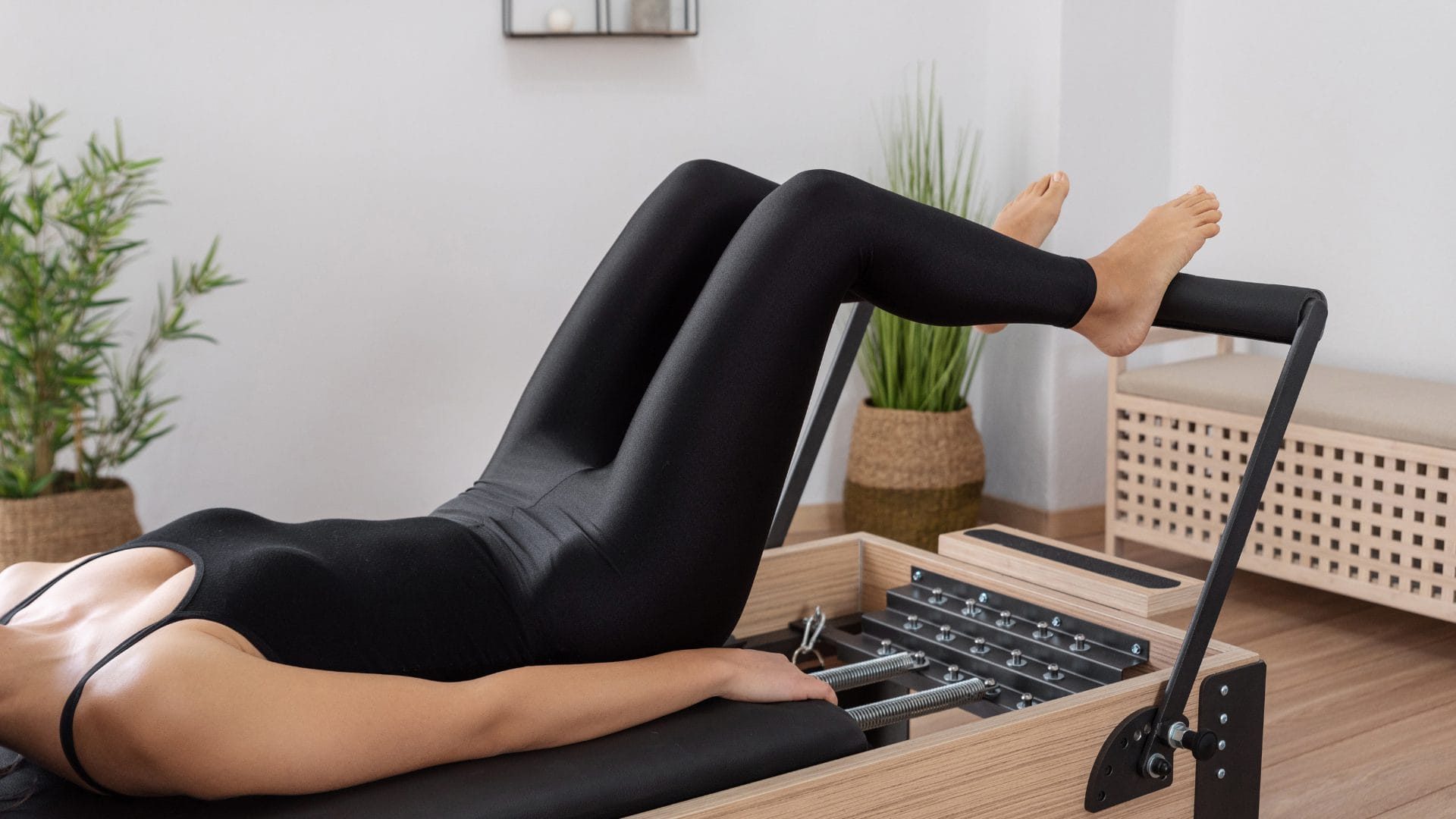
Using a Pilates reformer alone is absolutely possible—and for many people, it’s the preferred way to train. Modern reformers are designed for independent practice, offering guided movement through rails, springs, and adjustable straps. However, like any piece of equipment, safety and proper technique matter. Whether you’re a beginner training at home or a studio owner helping clients practice independently, understanding how to use a reformer alone is essential.
This guide explains when you can use a reformer safely on your own, when supervision is recommended, and how to choose the right machine for home or professional use.
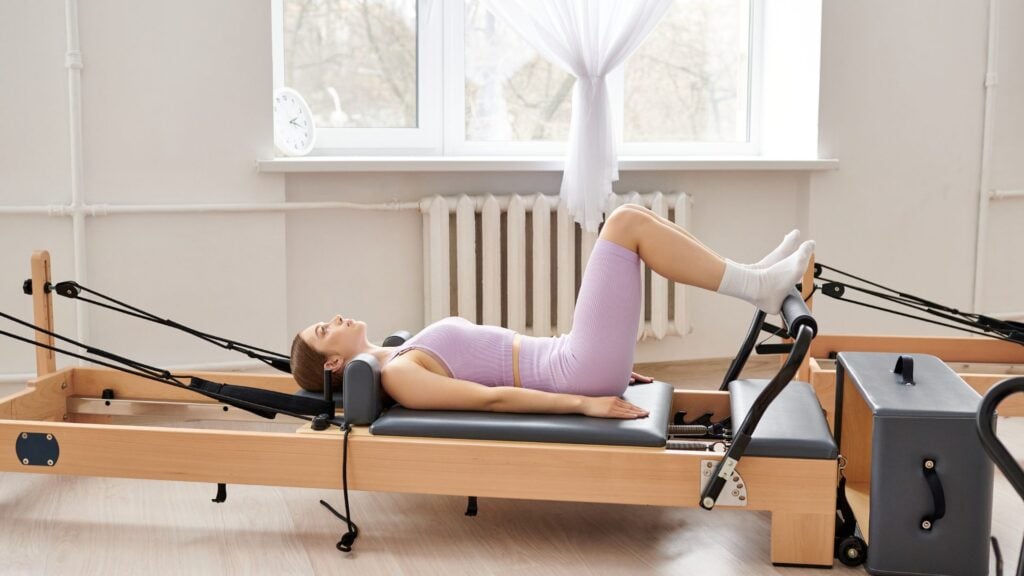
Can You Use a Pilates Reformer Alone?
Yes, you can.
Most exercises on a reformer—especially beginner and intermediate movements—are perfectly safe to perform alone. The machine offers controlled resistance, stable rails, and limited range of motion, making it ideal for independent workouts.
However, if you’re new to Pilates or attempting advanced balance work, professional guidance is helpful.
When It’s Safe to Use a Reformer Alone
If any of the situations below apply, solo use is appropriate:
1. You’ve Learned the Basic Movements
Exercises with predictable motion patterns are ideal for practicing alone:
- Footwork series
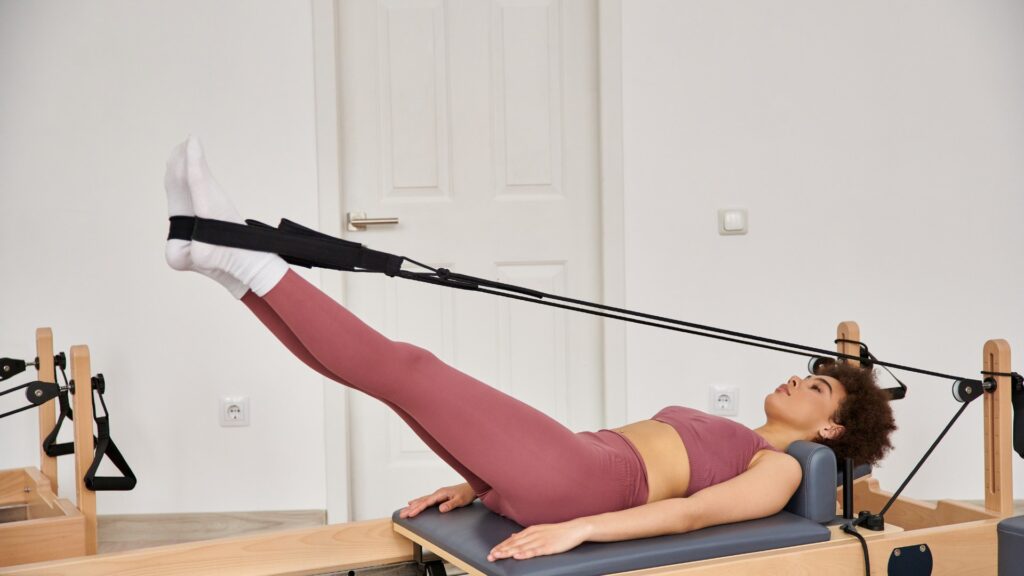
- Leg straps & circles
- Arm pulls
- Hip lift & bridging
- Supine and seated core work
- Short box series
These are low-risk and easy to control.
2. You’re Using a Home or Foldable Reformer
Machines made for home training are engineered for solo workouts. Features include:
- Adjustable springs
- Smooth gliding rail
- Padded platform
- Easy-mount footbar
- Stable, non-slip frame
Home reformers and foldable models are generally safer for beginners than large studio towers.
3. You Understand Your Body
If you can maintain core control, neutral spine, and proper alignment, most movements can be executed independently without a spotter.

When You Should Avoid Using a Reformer Alone
For safety and proper technique, supervision or instruction is recommended when:
1. You Are a Complete Beginner
If you’ve never taken a Pilates class, it’s easy to use the wrong springs, lose alignment, or overload certain joints.
2. Exercises Involve High Balance or Full-Body Planks
Be cautious with moves like:
- Long Stretch
- Down Stretch
- Elephant
- Tendon Stretch
- Kneeling arm series
- Side plank variations
These require high stability and can feel insecure without guidance.
3. You’re Recovering From Injury
Back, shoulder, knee, or neck conditions require instructor feedback to avoid compensations.
4. You’re Using Heavy Resistance
Strong springs can cause the carriage to return quickly, increasing the risk of strain.
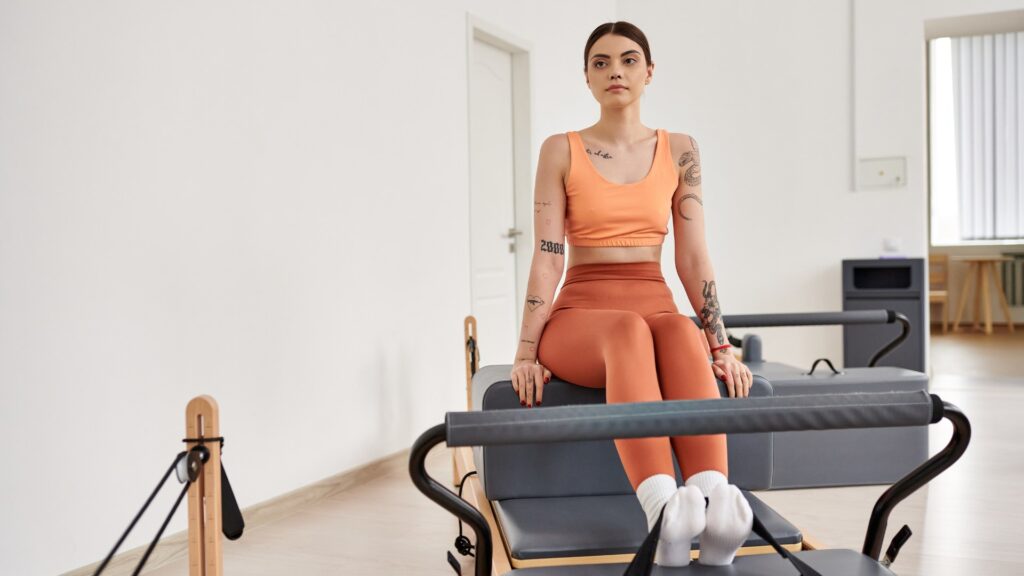
Safety Tips for Practicing Alone
Whether you’re at home or in a studio, these guidelines will keep you safe:
1. Start With Light Springs
Beginners should start with minimal resistance to learn control before increasing tension.
2. Keep Movements Slow and Controlled
Speed is the biggest cause of instability on the reformer.
3. Maintain Proper Grip and Foot Placement
Always place your hands and feet on stable surfaces before beginning the movement.
4. Use a Machine With Strong Stability Features
A high-quality reformer should include:
- Anti-slip frame
- Quiet, smooth rails
- Heavy-duty springs
- Locking footbar
- Shoulder rest for alignment
- Sturdy rope adjusters
5. Follow Video Tutorials or Instructor Programs
If you train alone regularly, professional guidance—online or in-person—helps ensure correct technique.
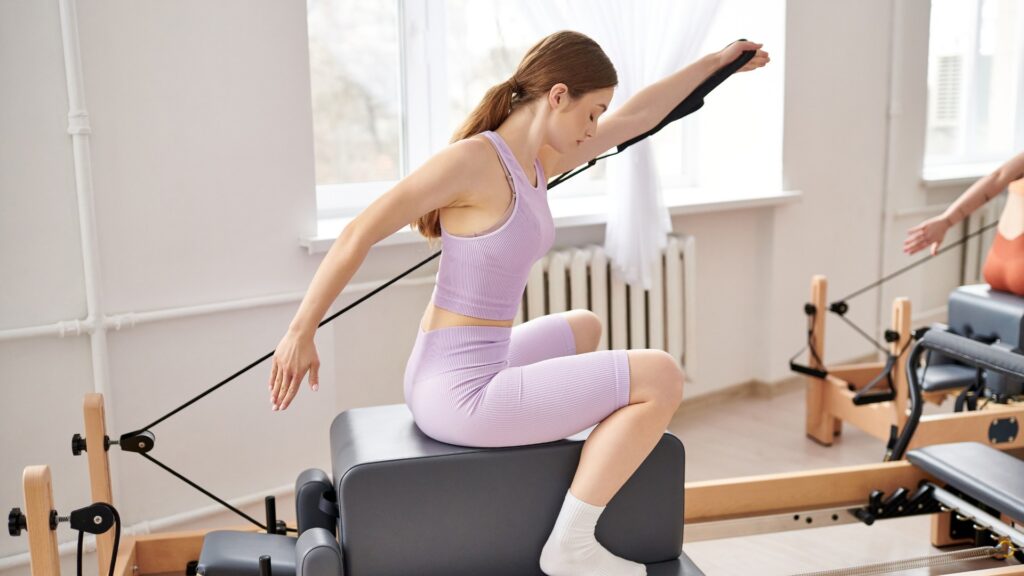
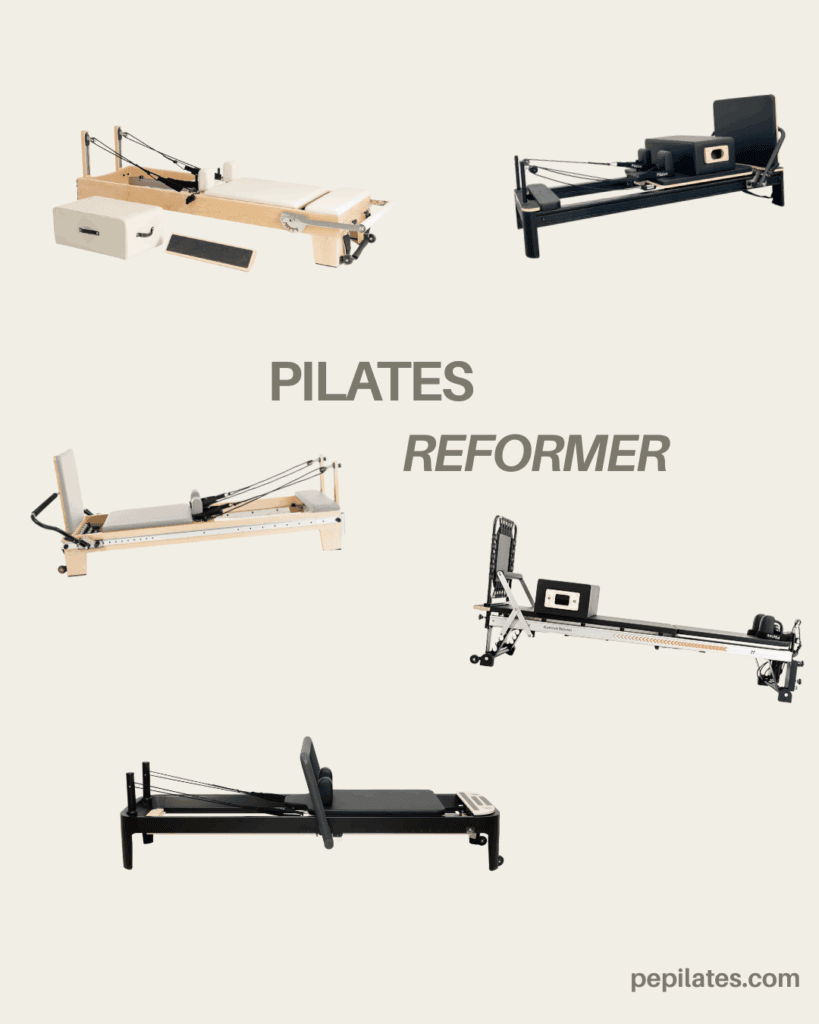
Choosing the Right Reformer for Solo Use
Different users require different machines. Here’s how to choose:
For Home Users
Look for:
- Foldable or compact reformer
- Light to medium resistance
- Simple adjustment system
- Wheels for easy mobility
- Quiet gliding rails
Great for living rooms, apartments, or home gyms.
For Studio Owners & Instructors
Choose:
- Heavy-duty commercial reformer
- Full spring set
- Long travel rails
- Tower or half-trapeze options
- High stability for advanced clients
Built for high frequency use and professional training.
For Distributors & Retailers
Focus on:
- Durable materials
- Consistent factory QC
- Custom logo options
- Local warehouse availability
- Easy assembly design
- Drop-ship support
Benefits of Training Alone on a Reformer
Solo practice offers advantages such as:
- Flexible training schedule
- Improved body awareness
- Better focus and mind–body connection
- Ability to repeat exercises at your own pace
- More affordable than classes
- Faster progress due to consistent practice
This is one reason home reformers have grown rapidly in popularity.
Whether you’re a studio owner, distributor, instructor, or home user, we manufacture high-quality Pilates equipment for every training level.
Browse foldable reformers for home users
Explore commercial wooden or aluminum reformers for studios
Contact us for OEM/ODM, wholesale pricing, and distributor support
Our US/EU warehouses provide fast delivery, and all machines come with multi-year warranty for long-term confidence.
Is it safe for beginners to use a reformer alone?
It can be, as long as you start with basic movements and follow guided videos. Complete beginners should still consider taking at least a few classes.
How often should I practice on my own?
2–4 sessions per week is ideal for noticeable improvements in strength and flexibility.
Do I need a spotter for advanced exercises?
Not always, but supervision helps when attempting high-resistance or balance-heavy movements.
Which reformer is best for solo home training?
Compact, foldable, or aluminum reformers with adjustable springs are the easiest for self-guided workouts.